


My paradox as an interior designer is that I find the most compelling homes are self-made. The messy, imperfect spaces of artists, winemakers, and costume designers are vibrant archives of a full life. Apartamento, the beloved magazine of “everyday life interiors”, captures these environments without performance — documenting shoe piles, tangled cords, and raw patina in full flash.
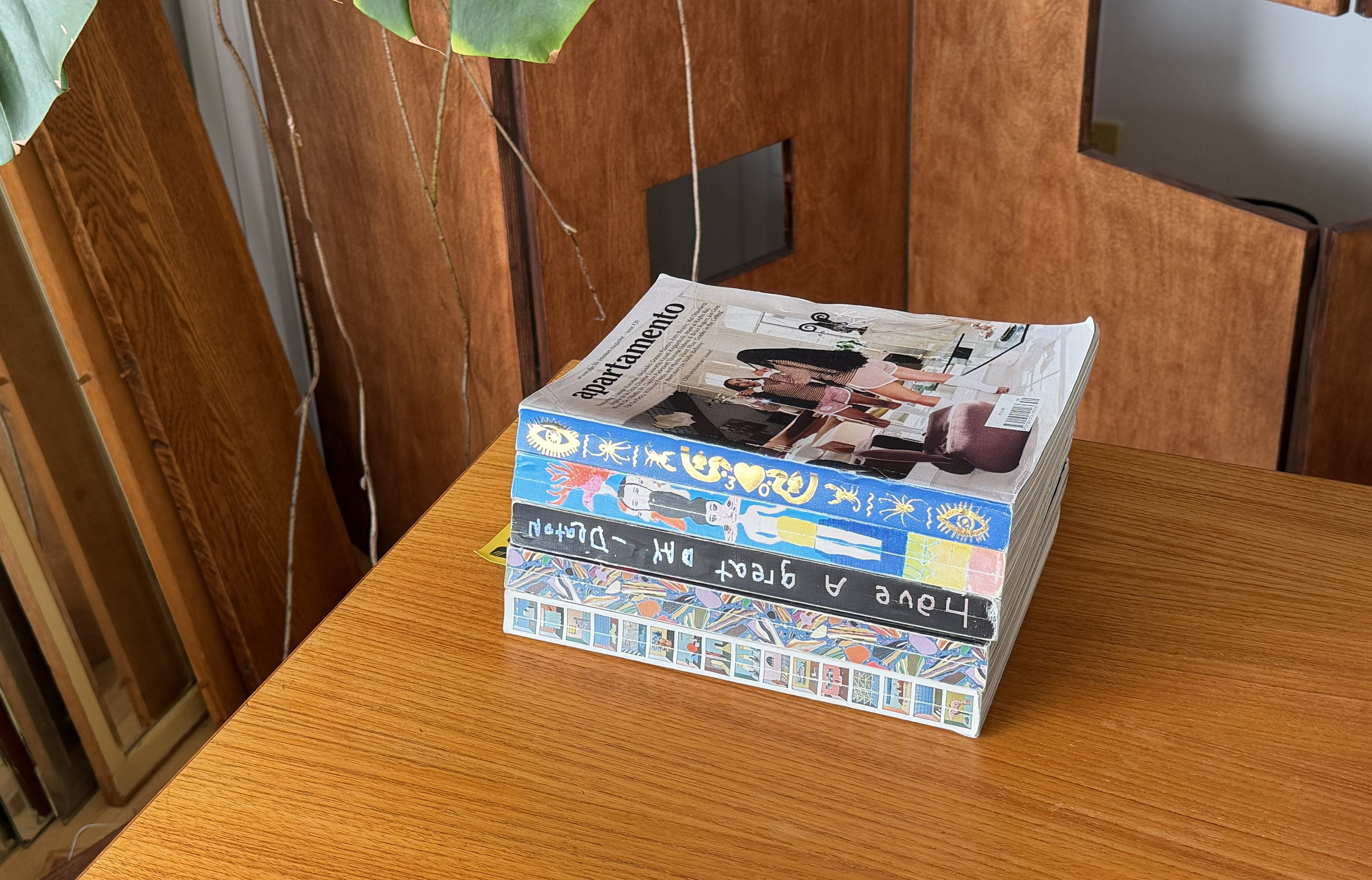
My inquiry as a designer is to infuse the same personality-led, unpolished vibrancy back into the professional design process. I call it ‘The Apartamento Method’.
Traditional interior design attempts to resolve an entire home in a single studio sprint. The Apartamento method counters this with slow, iterative accumulation. It centers on the personal relic: objects steeped in lineage and memory that provoke deeper conversation and daily presence.
You and your home are intertwined in a constant discursive dance: you shape the home, while the home shapes you. When a space truly reflects who you are — or even who you want to be — you simply wake up as that person every day.
Living The Apartamento Method
My not-so-new apartment is my laboratory to live test the Apartamento method. Here, I am both the actor and a curious observer, testing how a slower, more deliberate approach to design can remedy the interior design industrial complex.
While working at a global interiors firm, I grew frustrated by the profound lack of soul in fast-tracked projects — the sterile plasticity of it all (a frustration unpacked in my essay, Life In Plastic). I became desperately curious to explore alternative systems to make spaces that feel alive.
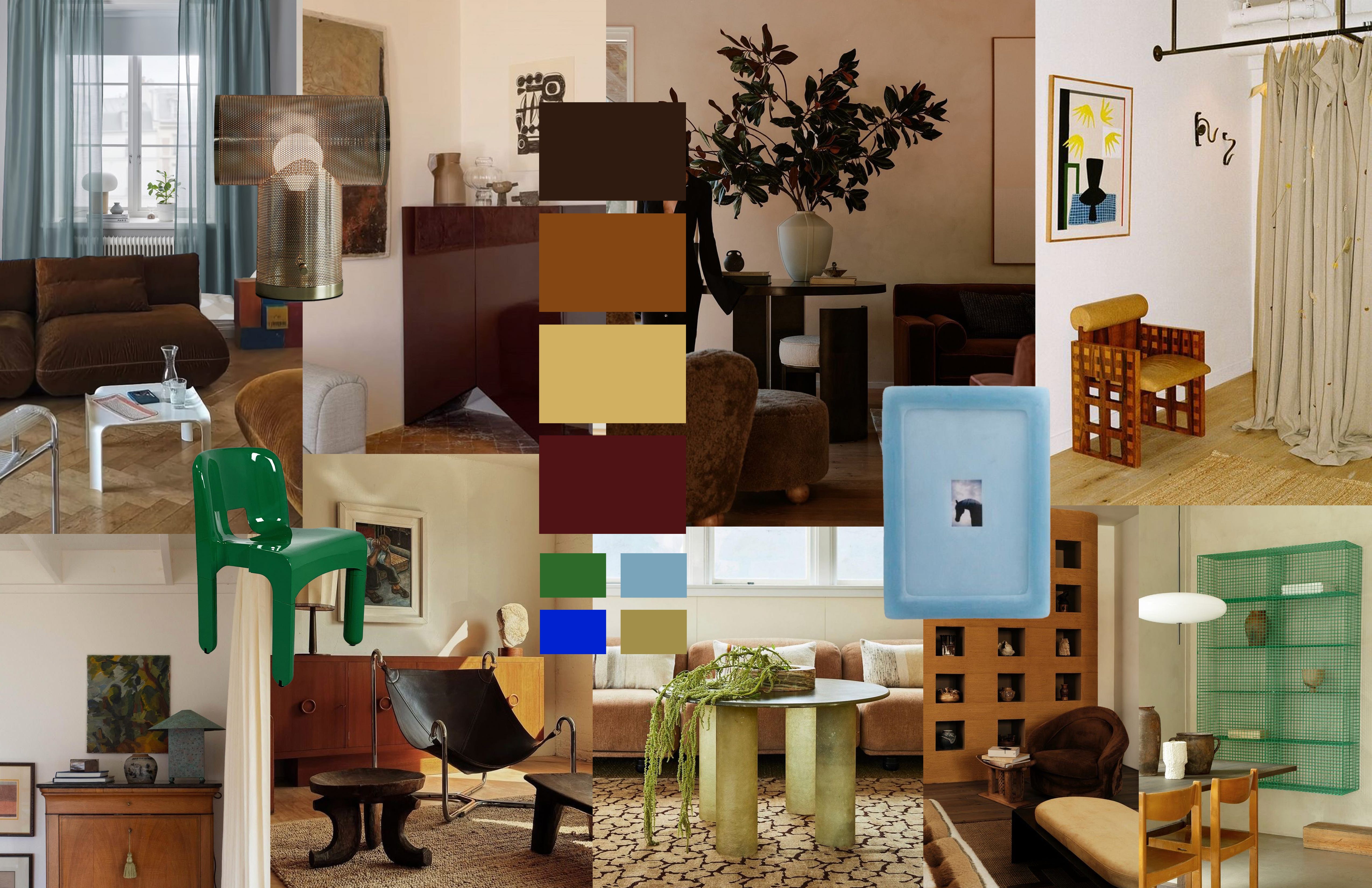
I named digital design programs as the culprit for design soullessness, and posited collage as a remedy. Collage, in essence, is a collection. Its layers are found objects, curated and arranged by a human hand. Translated from the page to a 1:1 scale, this is secondhand furniture — a complete non-negotiable for crafting a home with soul.
Sourcing with Story
The most Apartamento version of secondhand furniture is, of course, the piece inherited or attached to some extraordinary personal story — but these are rare windfalls. A piece acquired through the digital trenches of Facebook Marketplace should be held in just as much pride.
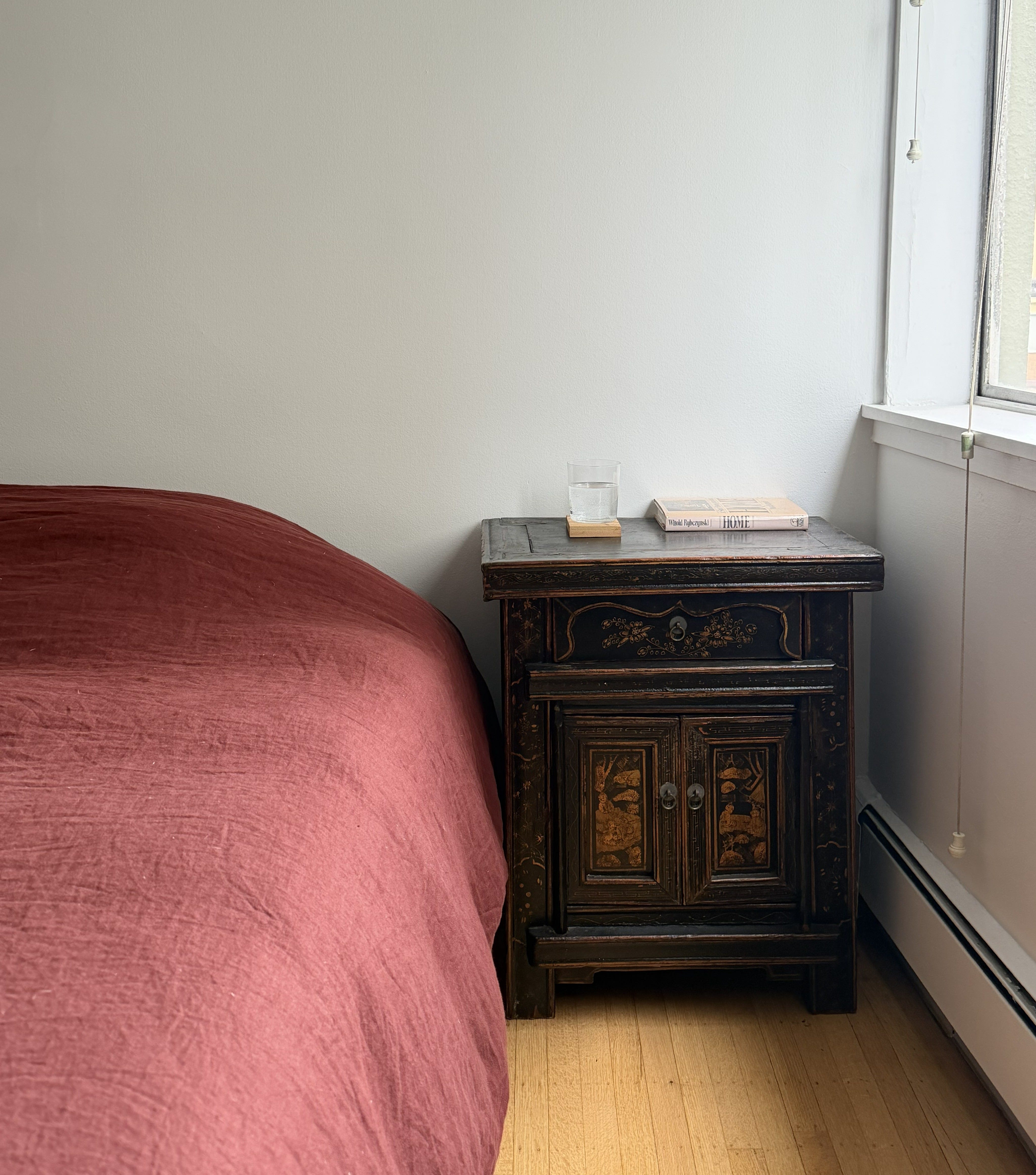
My recent marketplace triumph is a pair of Qing dynasty side tables. Perfectly patinaed, full of history, they completely spark my sense of wonder on the many lives these little tables have seen before mine.
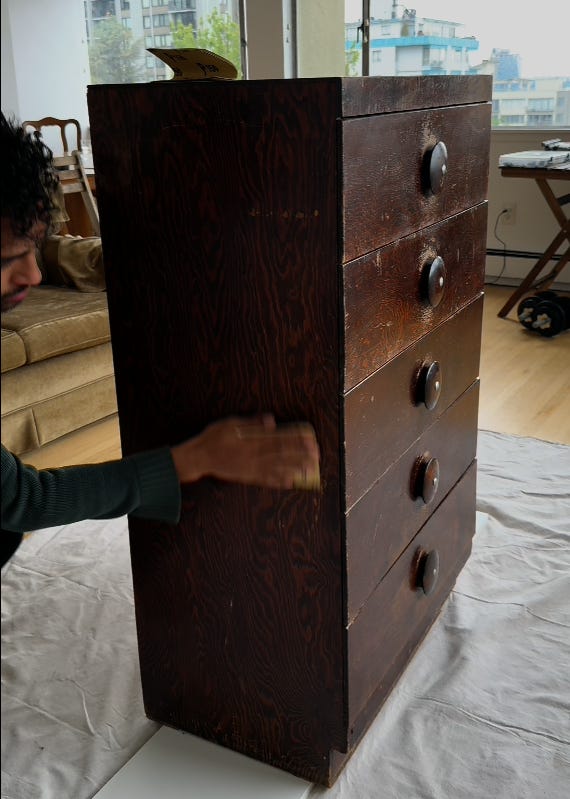
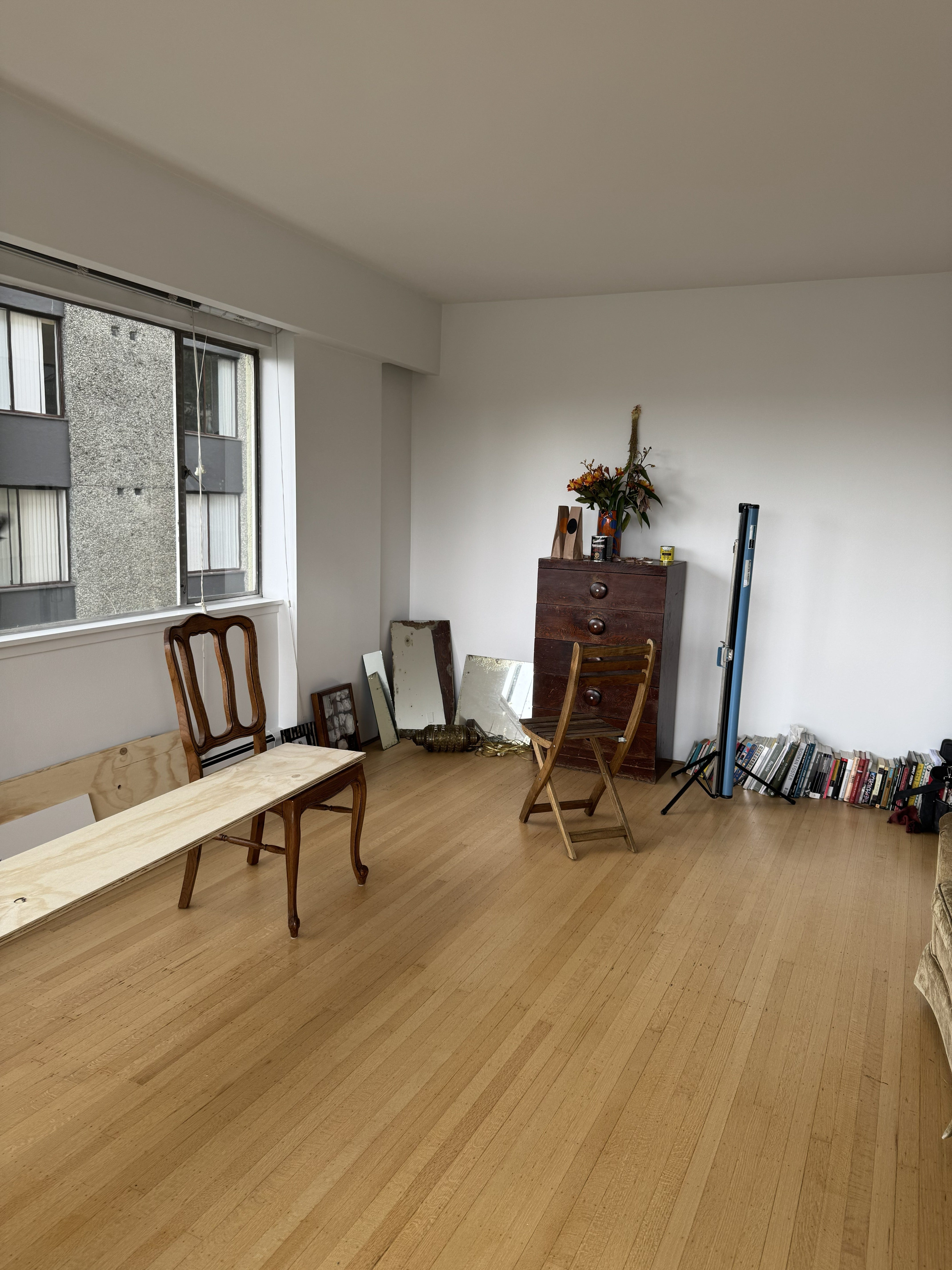
Another marketplace win was a free dresser — its clean form, deep wood tone, and large disc drawer pulls allured us, but it needed work. We removed the pulls, sanded it down, and refinished it with a close match stain. The act of repair made the piece our own — layering it with a sense of care that acquisition couldn’t alone.
With secondhand comes an inherent slowness — we’re playing with time here. Finding the pieces that truly move us is a long and meandering path — and for me and my husband, a beloved shared hobby. To honour this slowness, we needed to cover our most essential needs: a bed, a place to dine, a place to sit. We lived with these bare bones for two months while actively sourcing.
The Value of Placeholders
I used to be staunchly against placeholders. I believed it was better to wait for the perfect piece than to waste time and money on a temporary compromise — but I’ve come around. Placeholders buy the freedom of time, and they offer invaluable information.
A flimsy IKEA patio set was a far cry from our ideal dining set up, but its lightness allowed us to drag it around the apartment, testing layouts through living. Sitting across the whole landscape of our apartment illuminated exactly where we wanted to put a chair.
Even non-functional placeholders play a part. When we were debating a sofa and desk, we constructed full-scale mockups using our dining chairs and a sheet of plywood to visually understand their mass. I’ve seen people do this with measured masking tape on the floor, but I found the three-dimensionality helped me better understand their true presence.
Living with the Self-Made
The quintessential Apartamento interviewee is a creative, and the evidence of their craft is everywhere. Living among things of your own creation is deeply grounding and actively inspiring. For us, this manifests in our emerging furniture and object design practice.
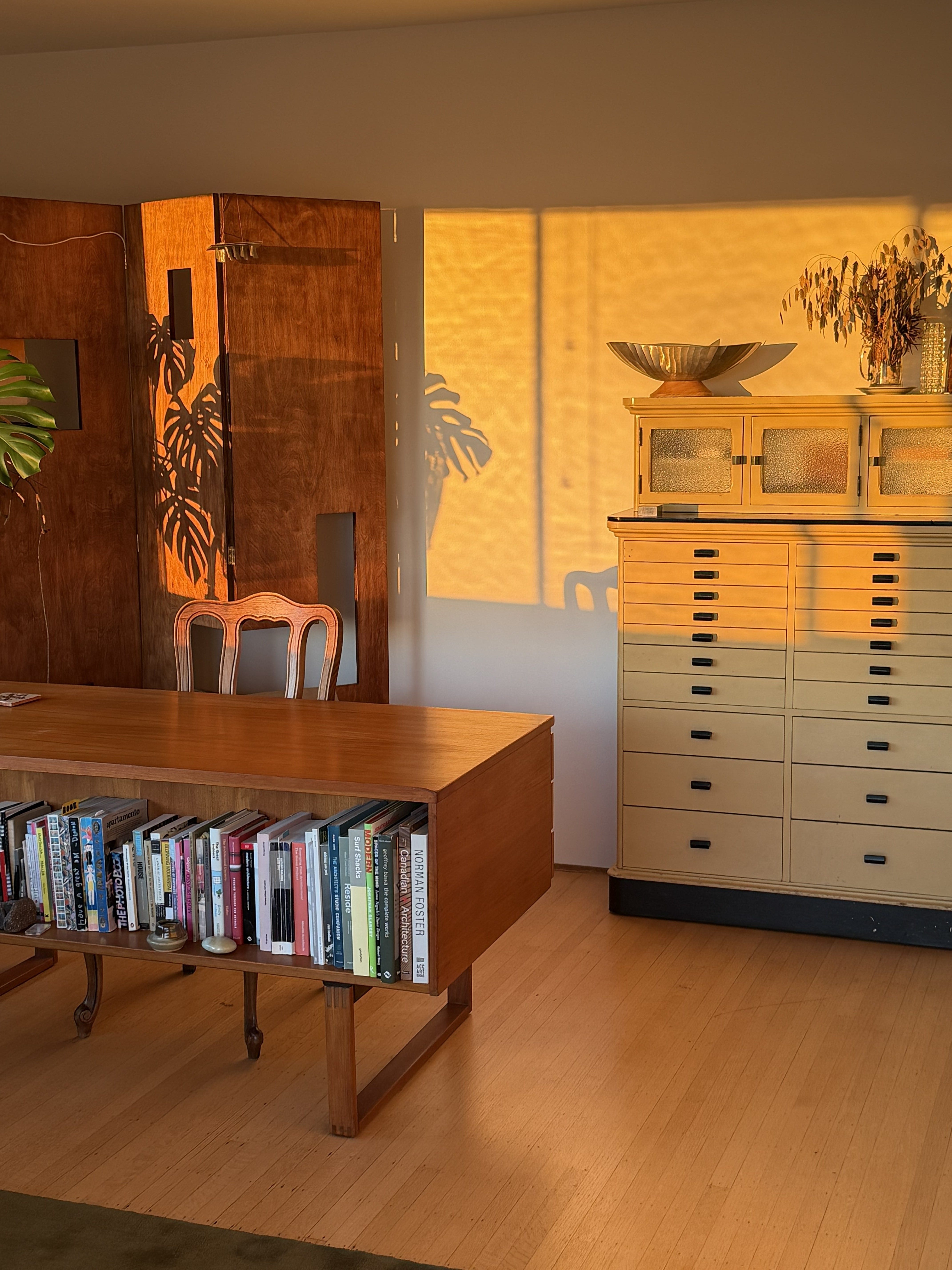
We developed two “Ceremonial Artifacts” for our wedding: a folding screen used as our altarpiece and lanterns used for wayfinding and light. Each piece was designed in dialogue with Korean artifacts that hold deep personal and cultural meaning — a story I detailed in The Artifacts of Ceremony, and recently featured on CBC News.
I always knew these pieces would live a second, permanent life in our home, and designed them with that transition in mind.
The folding screen or byeongpung, features a warm wood materiality that symbolized longevity at our ceremony, but it also came from my love of interior wood panelling. In lieu of fixed millwork, the folding screen acts as a movable alternative that offers the same sense of scale, warmth, and nostalgia. The piece is now available for commission through my studio.
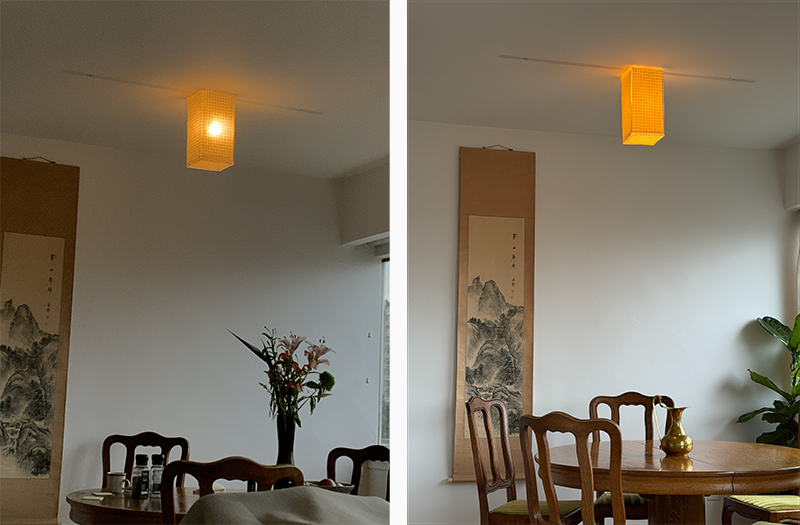
Our lanterns have similarly adapted, taking on new forms throughout the apartment. Our most functional iteration is our dining light fixture — a welcome replacement for the rental default track light (the faint evidence of which still marks the ceiling).
The fixture continues to evolve through daily use. To redirect its ambient glow down onto the table, my husband lined the internal walls with layers of paper. Our relics are not static; they are alive with continuous experimentation.
The Archive of Becoming
The Apartamento method is not about achieving a finished look — it’s about embracing the idea that a home is never finished.
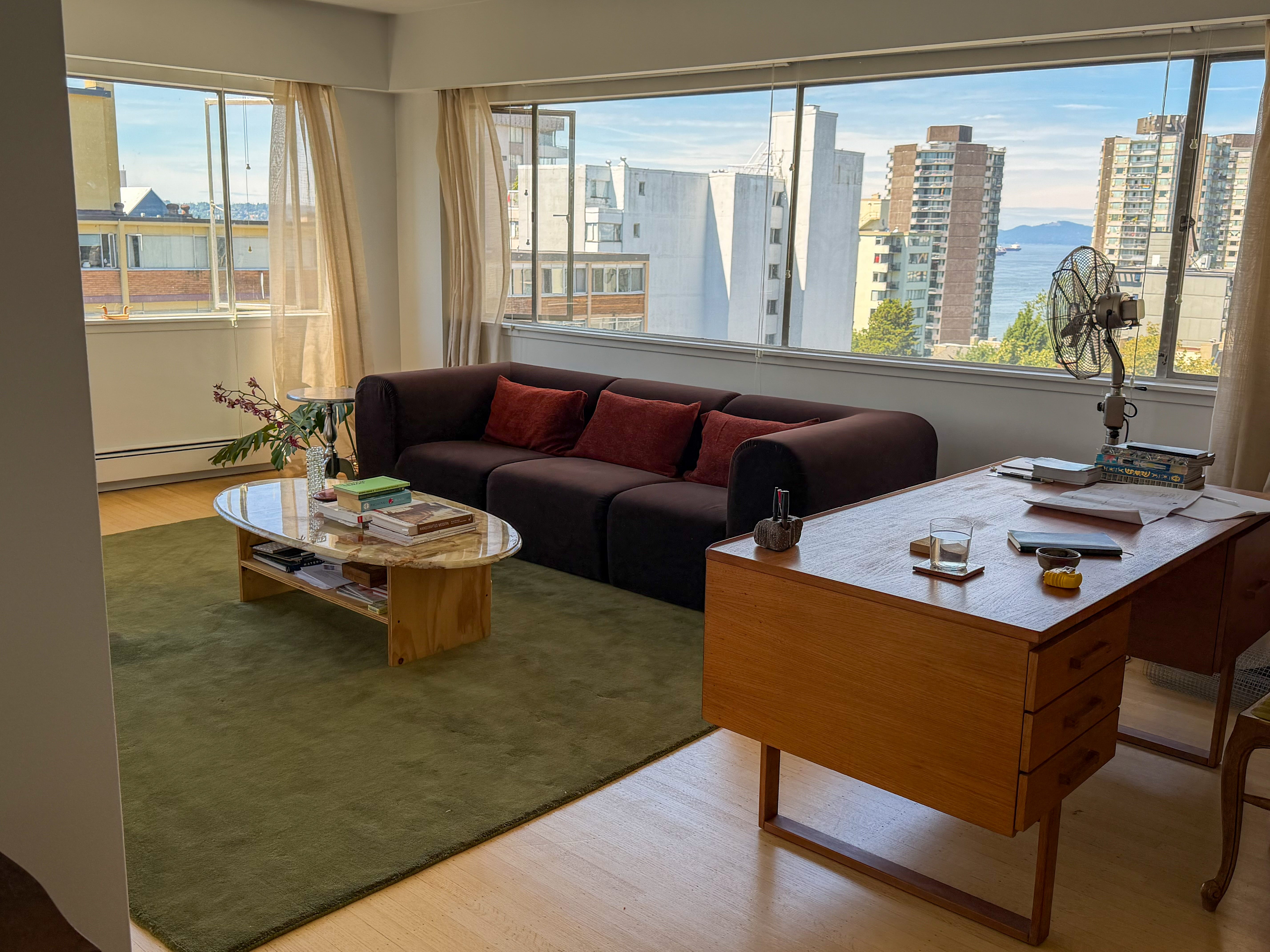
Right now, my apartment is a collage of placeholders, wedding relics, and Facebook Marketplace gambles — an archive alive with my continued becoming. It’s not just a container for life, but an active participant in it.
I left the studio sprints of a big firm because I knew design’s soul couldn’t be found within the confines of a 3D modelling software. It’s found in the dresser we sanded by hand, the lantern we keep redesigning, the side tables that carry a hundred year history — all the stories that make this collection our home.
Thank you for reading. Writing feeds my creative spirit like nothing else, and your support makes this practice possible. There are many chapters yet to be written, and I am so glad you are here for them.
The Byeongpung (Folding Screen) is available by custom commission through Nat Kim Studio. Explore the design and inquire here.